Alloy Wheel Refurbishment: Restore Kerbed Wheels to Showroom Condition
Kerbed, corroded or peeling alloys make a tidy car look tired. Here is how professional refurbishment works and what finishes are available.
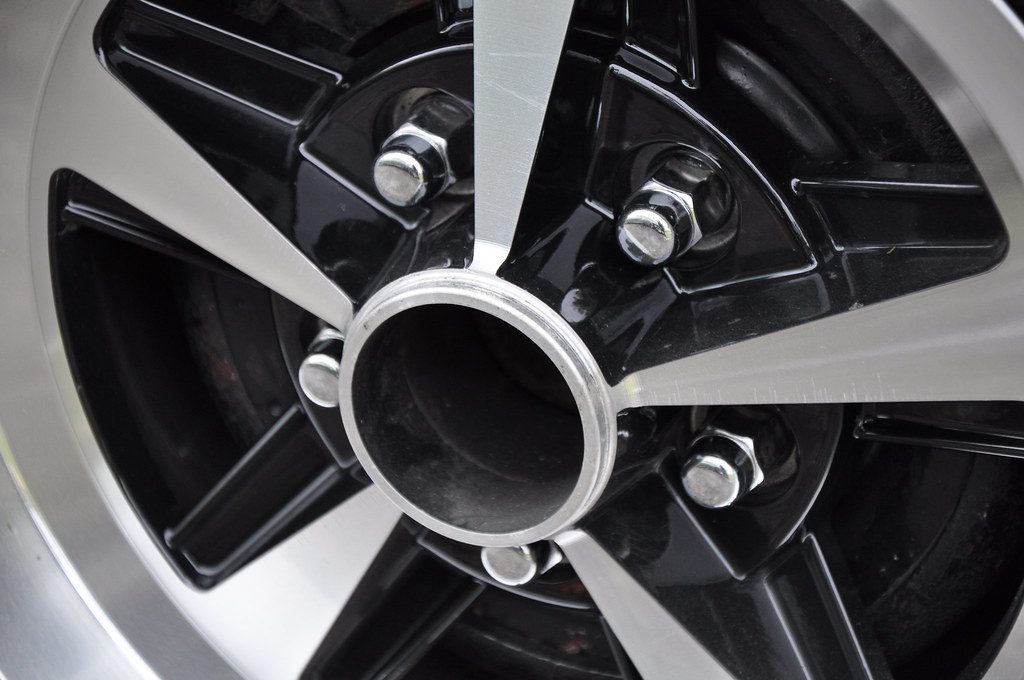
Nothing ages a car faster than scuffed, kerbed alloys — and nothing sharpens it up more cheaply than getting them refurbished. Here is what is involved and what you can choose.
What refurbishment actually fixes
- Kerb damage — scuffs and gouges from kerbs and potholes
- Corrosion — the white, flaky lacquer-lift common on older alloys
- Peeling or faded finishes
- Colour changes — switch from silver to gloss black, anthracite or a custom colour
The professional process
A proper refurbishment is more than a coat of paint:
- Strip the old finish back to bare metal
- Repair kerb damage and fill any pitting
- Prime for adhesion and corrosion resistance
- Colour coat in your chosen finish
- Lacquer for a durable, glossy, weatherproof seal
Done this way, the result lasts years — not months.
Finish options
- Standard silver / sparkle silver — the classic factory look
- Gloss or satin black — modern and aggressive, especially on darker cars
- Anthracite / gunmetal — a subtle, premium grey
- Diamond cut — a machined, two-tone face (needs specialist equipment)
- Custom colours — match or contrast your bodywork
Refurbish, powder coat or replace?
For most wheels, refurbishment is far cheaper than replacement and produces an as-new finish. If a wheel is cracked or buckled, that is a safety issue and the wheel should be replaced rather than refurbished.
Keep them looking new
Once refurbished, regular cleaning with a non-acidic wheel cleaner — and optionally a ceramic wheel coating — keeps brake dust from baking on and protects the finish.
Tell us your wheel size and the finish you have in mind and we will quote a full set or a single repair.
Need a hand with your car?
Get a tailored quote from the Zanom Automotive team — usually within a few hours.
Get a quote